
Browse by Subject
Browse by Subject
On this page: What makes Tarte Tatin special · The story of the Tatin sisters · Ingredients · Step-by-step method · Tips for success · Frequently asked questions
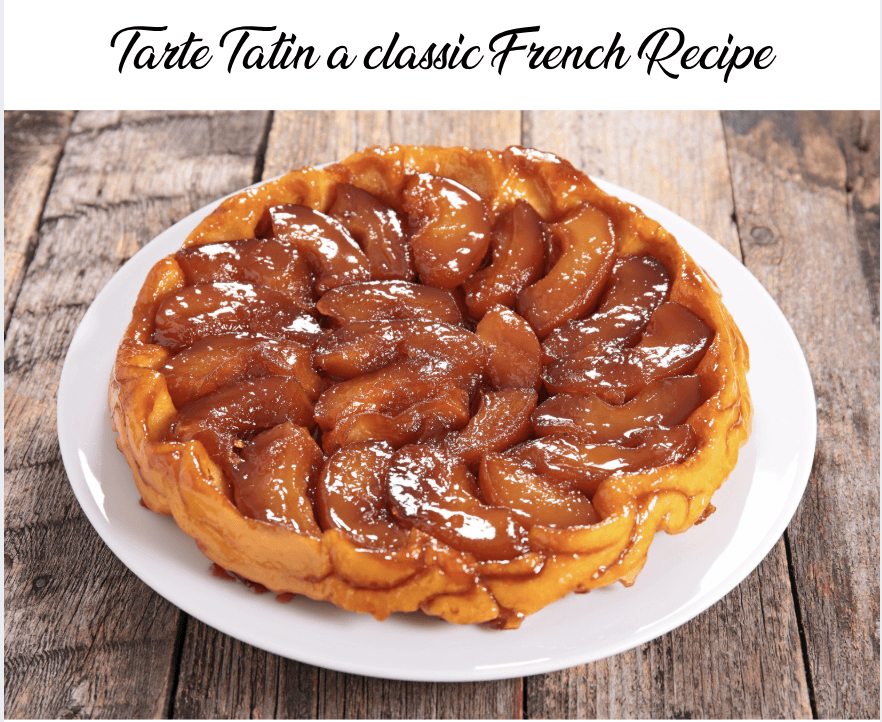
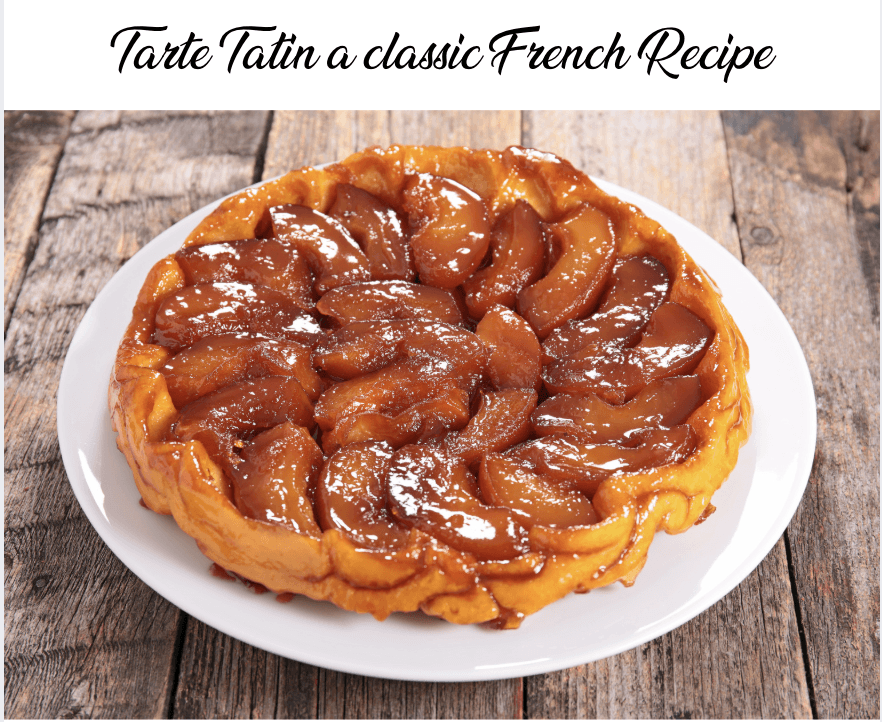
Tarte tatin stands out because of its unique cooking method and rich flavors. Unlike typical pies, the apples are cooked in caramel before baking, creating a deep, buttery sweetness that seeps into the crust. This method results in a dessert that is both rustic and refined, perfect for a holiday that celebrates comfort and gratitude.
The tart's warm, caramelized apples complement the spices and flavors often found in Thanksgiving meals. It pairs beautifully with roasted turkey, mashed potatoes, and even a glass of dessert wine or cider. Introducing tarte tatin to your menu offers a delightful change from the usual pumpkin pie, giving your guests a memorable taste experience.

Every great French dish has its legend, and the tarte tatin's begins with two sisters: Stéphanie — affectionately known as Fanny — and Caroline Tatin. In the late 19th century, the sisters ran the Hôtel du Tatin in Lamotte-Beuvron, a small town in the Sologne region of the Loire Valley, a day's stagecoach ride from Paris. Travellers, and especially hunters arriving by the new railway, flocked to the hotel for its hearty Solognais cooking — and the tarte tatin was born in that busy kitchen.
The most told version of the story goes like this: one day during the hunting season, Stéphanie — who did the cooking while Caroline ran the dining room — was overwhelmed by the rush of guests. Distracted and exhausted, she left a pan of apples cooking in butter and sugar on the stove for far too long. The smell of nearly burnt caramel reached her, and rather than start over, she tried to rescue the dish: she laid a round of pastry over the overcooked fruit, slid the pan into the oven to finish baking, and then turned the whole thing upside down onto a plate. The guests — legend says, hunters who had been out all day — devoured it and asked for the recipe.
And so the tarte des demoiselles Tatin — the tart of the Tatin sisters — became the hotel's signature dessert, served without ever needing to appear on the menu. Word of the caramelized upside-down tart travelled to Paris, where the story goes that the famous restaurant Maxim's began serving it, and the sisters' creation found fame across France and eventually the world. Some historians note that similar "upside-down" tarts were made in Sologne before the sisters, but there is no disputing that it was Stéphanie's happy accident that gave the dessert its name and its legend.
"We don't put it on the menu — we simply serve it, and the whole world ends up talking about it."
Today, Lamotte-Beuvron still celebrates its famous sisters, and the tarte tatin remains a testament to a wonderful truth of French cuisine: sometimes the most beloved classics are not the result of careful planning, but of a mistake made with butter, sugar, and apples. When you bake yours, you are tasting more than 130 years of delicious history.
To prepare a classic tarte tatin, gather the following simple ingredients — most are probably already in your kitchen:
Place a cake pan (moule à manqué) over medium heat. Add the butter. When it is partially melted, pour in the sugar and the seeds from the vanilla bean. Let the mixture caramelize, but do not let it darken too much—this would give your tart a bitter taste.
While the caramel is cooking, peel your apples, cut them in half, and use a small knife or peeler to remove the core.
When the caramel is brown, arrange the apple halves in the pan on their sides, forming a rosette around the edge, then filling the center. Pack them in tightly and cook for about twenty minutes over low heat or put in the oven for 35 minutes at 170°C (340°F).
Roll out the dough on a floured surface to about 5 mm thick, shaping it into a circle. The diameter should be slightly larger than that of the pan. Place the dough over the warm apples, then use a small spoon to tuck the excess dough between the apples and the edge of the pan. Make a small hole in the center of the dough to allow steam to escape during baking.
Bake the tarte Tatin for 50 minutes to 1 hour in a preheated oven at 170°C (340°F). The dough should be nicely golden and the caramel should begin to rise up the sides.
The key moment comes when you invert the tart onto a serving plate. Use oven mitts and a large plate to flip the skillet carefully. The caramel and apples will be on top, glistening and ready to impress.
Serve the tarte tatin warm, optionally with a scoop of vanilla ice cream or a dollop of crème fraîche. This dessert shines when enjoyed fresh but can be reheated gently if needed.

Join the Alliance Française de San Diego and become part of a year-long celebration of French Cultures and Language.